
Do Termites Return After Tenting Treatment?
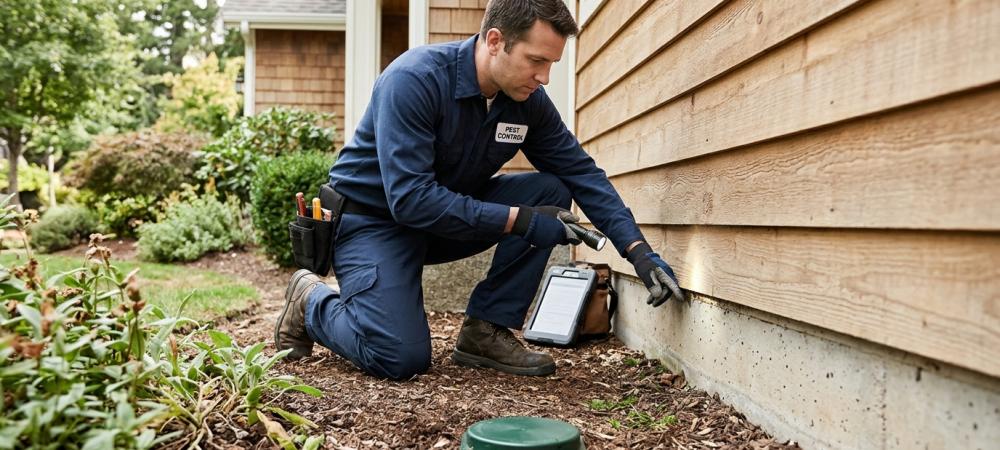
Do termites return after tenting treatment?
Yes, termite activity can appear after tenting treatment. Fumigation addresses termites present inside the treated structure at the time, but it does not provide lasting protection against future infestations. Swarms may also be noticed for a period after treatment, making follow-up inspection important for identifying the source of any activity.
Why Can Termite Activity Appear After Tenting?
Tenting, also called structural fumigation, is used to address termites concealed within a building. During treatment, the fumigant moves through accessible areas of the structure and affected wood to eliminate termites that are present. Once fumigation is complete and the building is cleared for reentry, the treatment itself does not remain behind as an ongoing barrier.
This distinction explains why termites can appear again. Tenting addresses an existing infestation, but it cannot prevent reproductive termites from reaching the property later and beginning a new colony. Wooden materials can remain suitable for termite activity if they are accessible to future swarmers.
Visible activity after treatment does not automatically mean the fumigation was unsuccessful. The timing, location, termite species, and type of evidence all matter. A professional follow-up inspection can help distinguish between activity associated with the previous infestation and signs of a separate or newly developing problem.
What Do Termite Swarms After Fumigation Mean?
A termite swarm occurs when winged reproductive termites leave a mature colony to establish new colonies. Swarmers or discarded wings noticed after fumigation can understandably concern property owners, but their presence must be evaluated in context.
Possible explanations include:
- Swarmers originating from another structure, tree, or wooden material nearby
- Termites entering the property after the fumigation was completed
- Activity in an area or object that was not included in the treated structure
- Evidence that requires closer inspection to determine whether termites are currently active
The location of the swarm can offer useful information. Winged termites around exterior lights or windows may have arrived from somewhere outside the building. Termites emerging directly from interior wood, trim, framing, or another structural component may warrant a closer evaluation.
Because different insects can also be mistaken for termite swarmers, identification is an important part of the inspection process. A qualified pest control professional can examine the insects, discarded wings, damaged materials, and other evidence before recommending an appropriate response.
Does Tenting Prevent Future Termite Infestations?
No. Tenting does not create permanent termite protection. It is designed to eliminate termites within the structure during fumigation, not to repel termites indefinitely or prevent every future colony from becoming established.
A property may experience another infestation if reproductive termites reach suitable wood after treatment. Termites may also be introduced through infested furniture, lumber, decorative items, or other wooden materials brought into the building. For this reason, a successful tenting treatment should not be viewed as a lifetime guarantee that termites will never return.
In Palm Beach County and the Treasure Coast Area, conditions can support continued termite activity around residential and commercial properties. Periodic inspections and an appropriate prevention strategy can help property owners monitor vulnerable areas and identify new activity before additional damage develops.
Common Misconception: Tenting Permanently Protects the Property
A common misconception is that tenting creates a lasting shield around a structure. In reality, the fumigant is present only for the treatment process and is removed before occupants return. It does not leave long-term protection that prevents future termite entry.
This does not make tenting ineffective. It simply means that eliminating an existing infestation and preventing a future infestation are separate goals. Tenting can address termites that are present, while ongoing inspection and prevention help manage the possibility of later activity.
Property owners should pay attention to signs such as discarded wings, termite droppings, damaged wood, or insects emerging from wooden materials. These signs do not confirm the extent of an infestation on their own, but they provide a reason to arrange a professional evaluation.
FAQ
How soon can termites return after tenting?
There is no single timeline. New termites can reach suitable wood after treatment because fumigation does not provide permanent protection against future infestations.
Does seeing termite wings mean the tenting failed?
Not necessarily. The wings may come from termites outside the treated structure or from new activity. An inspection can help identify their source.
Can furniture bring termites into a treated property?
Yes. Infested furniture and other wooden objects can conceal termites and introduce them into a building, even if the structure was previously fumigated.
What should I do if I notice termite activity after tenting?
Request a professional follow-up inspection. Proper identification is necessary to determine the source and whether additional termite control is appropriate.
Do termites return after tenting treatment?
Termite activity can appear after tenting, and swarms may sometimes be noticed for a period following treatment. Tenting addresses termites present during fumigation, but it does not create lasting protection against future infestations. Follow-up inspection helps determine whether. In Palm Beach County and the Treasure Coast Area, inspection and prevention can help address the conditions that allow the problem to continue.
Conclusion
Termites can appear after tenting because fumigation addresses termites present at the time but does not create lasting protection. Swarmers or other signs after treatment do not automatically indicate failure; their source and significance should be professionally evaluated.
If you notice termite evidence after fumigation, Hulett Environmental Services can inspect your property and recommend appropriate termite control and prevention options in Palm Beach County and the Treasure Coast Area.