
How Do Restaurants Keep Roaches Out?
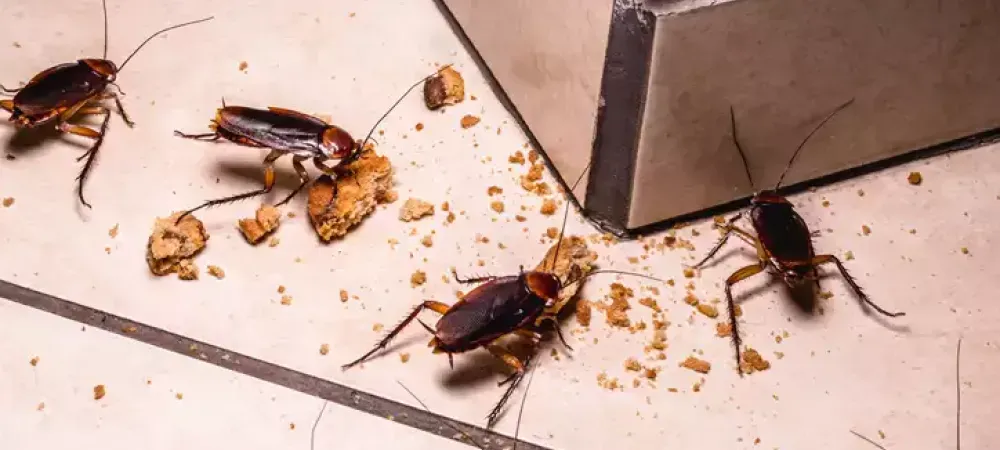
How do restaurants keep roaches out?
Restaurants keep cockroaches out through integrated pest control that combines delivery inspections, prompt cleanup of food and grease, regular trash removal, leak repairs, sealed entry points, reduced hiding areas, and trap monitoring. When activity is detected, trained professionals can apply targeted treatments appropriate for food establishments.
How Does Integrated Pest Control Help Prevent Restaurant Roaches?
Integrated pest control uses multiple prevention, monitoring, and treatment methods instead of relying on a single application. In restaurants throughout Palm Beach County & the Treasure Coast area, this coordinated approach helps address the conditions that allow cockroaches to enter, hide, and find food or water.
A restaurant pest control program may include:
- Inspecting food, beverage, and supply deliveries
- Cleaning food crumbs, grease, spills, and residue promptly
- Removing trash regularly and keeping receptacles clean
- Repairing leaking pipes, faucets, drains, and equipment
- Sealing cracks, gaps, utility openings, and other entry points
- Reducing clutter and inaccessible hiding areas
- Monitoring kitchens, storage rooms, and service areas with traps
- Using targeted professional treatments when cockroaches are found
Each part of the program serves a different purpose. Cleaning reduces available food, leak repairs limit moisture, sealing blocks potential entry points, and monitoring helps identify activity that might otherwise remain unnoticed. Together, these practices create a more complete system for managing cockroach pressure.
Where Do Cockroaches Hide in Restaurants?
Cockroaches often remain in protected areas near food, warmth, or moisture. Kitchens can provide many concealed spaces, including gaps beneath equipment, wall voids, cabinet joints, floor drains, storage areas, and openings around plumbing or electrical lines.
Grease and food residue can also accumulate in places that are difficult to reach during routine surface cleaning. Examples include the sides of cooking equipment, spaces beneath refrigerators, areas around casters, cracks near preparation counters, and the interiors of trash-handling spaces.
Moisture is another important factor. A slow plumbing leak, condensation near refrigeration equipment, or standing water around a drain can support cockroach activity even when visible surfaces appear clean. For this reason, prevention requires more than wiping counters and sweeping floors. It involves examining less-visible areas and correcting sanitation, moisture, and structural conditions together.
Monitoring traps placed in appropriate locations can help reveal where activity is concentrated. Their findings may guide further inspection and allow trained professionals to determine where targeted treatment is appropriate.
How Do Deliveries and Storage Practices Affect Cockroach Control?
Cockroaches can enter a restaurant through boxes, packaging, equipment, or other incoming materials. Inspecting deliveries before items are moved into kitchens or storage areas can help identify insects, droppings, damaged packaging, or other signs of pest activity.
Cardboard and clutter may provide protected spaces where cockroaches can hide. Promptly breaking down unnecessary packaging and keeping storage areas organized can reduce these areas while making inspection and cleaning easier.
Food should be stored in suitable containers and kept away from contamination. Shelving arrangements should also allow staff to inspect surrounding floors, walls, and corners. When products are crowded tightly into inaccessible areas, evidence of cockroaches may be harder to notice.
These practices reinforce the central approach to restaurant cockroach prevention: limit entry, remove food and moisture sources, reduce hiding places, and monitor areas where activity is most likely to occur.
What Happens When Cockroaches Are Detected?
When cockroaches are found, a trained pest control professional may inspect the property to determine the extent and likely source of the activity. The evaluation may include checking kitchens, storage rooms, drains, utility penetrations, trash areas, and spaces beneath or behind equipment.
Treatment should be selected with the food-service environment in mind. Depending on the findings, a professional may use targeted baits or crack-and-crevice treatments in appropriate locations. These methods focus on identified activity while accounting for food preparation, storage, equipment, and sanitation requirements.
Treatment alone may not resolve the conditions supporting the infestation. Food residue, leaks, structural gaps, or clutter should also be addressed. Continued monitoring helps determine whether activity remains and whether the pest control plan needs adjustment.
Common Misconception: A Clean Restaurant Cannot Have Roaches
Cleanliness is essential, but a clean restaurant can still experience cockroach activity. Pests may arrive inside deliveries, enter through structural gaps, or move through shared utility openings. Moisture from leaks or condensation can also support them in areas that are not immediately visible.
Effective prevention therefore combines sanitation with inspection, exclusion, moisture control, monitoring, and professional treatment when needed. Clean surfaces are important, but they represent only one part of an integrated pest control program.
FAQ
What attracts cockroaches to a restaurant?
Cockroaches are drawn to accessible food residue, grease, trash, water, warmth, and protected hiding places. Deliveries and structural openings may also provide ways for them to enter.
Can traps alone eliminate restaurant cockroaches?
Traps are primarily useful for monitoring activity and identifying affected areas. Effective control may also require sanitation improvements, leak repairs, exclusion work, and targeted professional treatment.
Why are leak repairs important for cockroach prevention?
Cockroaches need moisture to survive. Repairing leaking pipes, faucets, drains, or equipment helps remove water sources that may support activity in concealed restaurant areas.
How often should a restaurant be inspected for cockroaches?
Inspection frequency depends on property conditions, previous activity, operations, and the pest control plan. Routine monitoring can help identify signs before activity becomes more widespread.
How do restaurants keep roaches out?
Restaurants keep cockroaches out through integrated pest control that combines delivery inspections, prompt cleanup of food and grease, regular trash removal, leak repairs, sealed entry points, reduced hiding areas, and trap monitoring. For restaurants in Fort Pierce, Florida, trained professionals can address detected activity using targeted baits or crack-and-crevice treatments appropriate for food establishments.
Conclusion
Restaurants keep cockroaches out by combining sanitation, delivery inspections, trash management, leak repairs, exclusion, reduced hiding areas, and ongoing monitoring. If cockroaches are detected, targeted professional treatments can support the broader prevention program.