
Is It Better To Fertilize Your Lawn In The Fall Or Spring?
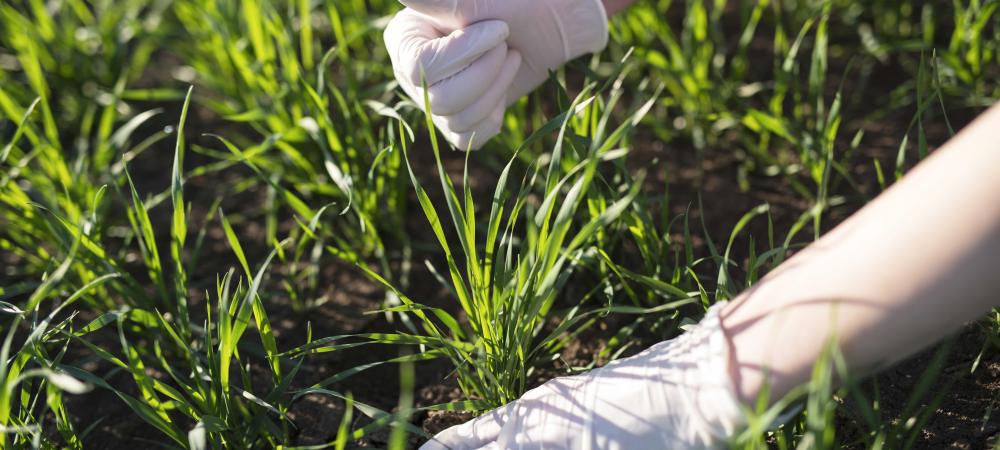
Is it better to fertilize your lawn in the fall or the spring?
Fall is generally the best time to fertilize your lawn because it helps grass absorb nutrients more effectively and build strength before winter. Cooler seasonal conditions and natural moisture support root development, helping create a healthier lawn that is better prepared for vigorous, green growth when spring arrives in Palm Beach Gardens, Florida.
Why Is Fall the Best Time to Fertilize a Lawn?
Fall is often considered the most important season for lawn fertilization because grass naturally focuses on developing and strengthening its root system during this time. Instead of directing most of its energy toward visible blade growth, the lawn works below the surface to store nutrients and build resilience.
Applying fertilizer in the fall allows those nutrients to support root development when the grass can use them efficiently. Morning dew and seasonal moisture can also help fertilizer move into the soil, making nutrients more available to the root zone.
A stronger root system provides the foundation for a healthier lawn throughout the year. When spring arrives, lawns that received proper fall fertilization are often better prepared to produce healthy, green growth.
How Does Fall Fertilization Help Spring Growth?
Many homeowners focus on lawn care in the spring because that is when grass becomes more visibly active. However, much of a lawn's success during spring begins with what happens in the fall.
When roots have access to nutrients during the cooler months, they can become stronger and more established. This stored energy helps support growth when temperatures begin to rise again.
Some benefits of fall fertilization include:
- Improved root development
- Better nutrient storage within the turf
- Increased resilience during seasonal changes
- Stronger spring green-up
- More consistent lawn health throughout the growing season
Rather than creating only short-term results, fall fertilization helps establish conditions that support healthier growth over time.
Does Spring Fertilization Still Matter?
Yes, spring fertilization can still be an important part of a lawn care program. Once grass enters its active growing season, it benefits from nutrients that support healthy growth and color.
However, spring fertilization is often most effective when it follows a strong fall application. Think of fall fertilization as building the foundation and spring fertilization as supporting continued growth.
A lawn with strong roots is generally better equipped to absorb water and nutrients, helping it maintain a healthy appearance throughout the year.
This is why many lawn care professionals view fall as the priority season while still recognizing the value of spring treatments.
Lawn Fertilization Considerations in Palm Beach Gardens, Florida
Homeowners in Palm Beach Gardens, Florida often want a lawn that remains healthy and attractive throughout the year. Proper fertilization timing plays an important role in achieving that goal.
Several factors can influence how a lawn responds to fertilizer, including:
- Grass type
- Soil conditions
- Irrigation practices
- Weather patterns
- Overall lawn health
Because every property is different, fertilization schedules should be tailored to the lawn's specific needs. Understanding when grass naturally focuses on root growth can help homeowners make more informed lawn care decisions.
For many properties in Palm Beach Gardens, Florida, supporting root development through fall fertilization can contribute to healthier turf and stronger seasonal performance.
Common Myth About Lawn Fertilization
Myth: Spring Is the Only Time You Need to Fertilize
This is a common misconception. While spring fertilization can support active growth, fall fertilization is often considered the most important application because it helps strengthen roots before winter. Those stronger roots can contribute to healthier and greener growth when spring returns.
FAQ
Can I fertilize my lawn only in the spring?
You can, but fall fertilization is often more beneficial for root development. A strong root system helps support healthier growth throughout the following season.
Why does root growth matter during the fall?
Roots absorb water and nutrients that support overall turf health. Strengthening roots in fall helps prepare grass for future growth and seasonal changes.
Does moisture help fertilizer work better?
Yes. Moisture from morning dew and seasonal conditions can help fertilizer move into the soil, making nutrients more accessible to the lawn's root system.
Will fall fertilization make my lawn greener in spring?
Healthy root development during fall can help support stronger growth and improved color when the lawn becomes more active in spring.
FAQ: https://www.bugs.com/faq#what-pest-causes-the-most-damage-to-a-house
Conclusion
Fall is generally the best time to fertilize your lawn because it supports nutrient absorption, encourages root development, and helps grass build strength before winter. These benefits can lead to healthier, greener growth when spring arrives.