
The South Florida Homeowner’s Guide to Attic Health
Enter your zip and we'll take it from there.
What Makes an Attic Healthy?
A healthy attic is more than an attic with enough insulation. It should also be properly sealed, protected from pests, free of contaminated materials, and able to manage heat and moisture without creating problems elsewhere in the home.
The main parts of attic health include:
- Adequate and evenly distributed insulation
- Proper air sealing around gaps and penetrations
- No active rodent or pest infestation
- No urine, droppings, nests, or damaged insulation
- No wet or moldy insulation
- Proper ventilation where required
- No obvious roof leaks or water damage
Problems in any one of these areas can affect the rest of the attic. That is why evaluating the attic as a complete system is often more useful than looking only at insulation depth.
How Do You Know if Your Attic Insulation Needs Attention?
Attic insulation may need attention when it is too thin, unevenly distributed, wet, contaminated, compressed, or damaged by pests.
ENERGY STAR recommends looking across the attic floor to see whether insulation adequately covers the floor joists. If the joists are clearly visible or insulation is uneven with significant low spots, additional insulation may be needed.
Other signs that may point to an insulation or attic problem include:
- Rooms that are noticeably warmer than others
- High heating or cooling costs
- Drafts or noticeable air leakage
- Visible gaps in insulation
- Wet or damp insulation
- Strong or unusual odors from the attic
- Rodent droppings, nests, or chewed materials
Not every problem requires completely replacing the insulation. Existing insulation can often remain in place when it is dry, clean, and in good condition, while wet, moldy, smelly, or animal-contaminated insulation may need to be removed.
What Happens When Rodents Get Into Attic Insulation?
Rodents can damage attic insulation by tunneling through it, compressing it, using it for nesting material, and contaminating it with urine and droppings. Rats can also damage electrical wiring, plumbing, and other materials while inside the attic.
Contaminated insulation should be treated differently from insulation that is simply old or thin. The CDC advises that exposed insulation contaminated with rodent urine or droppings be bagged and removed rather than swept or vacuumed, which can disturb contaminated material and send particles into the air.
Some signs of rodent activity in an attic include:
- Scratching or scurrying noises, particularly at night
- Droppings in or around insulation
- Urine odors
- Nesting material
- Gnaw marks
- Disturbed or tunneled insulation
- Grease marks near entry points
Removing the rodents is only one part of addressing the problem. Entry points should also be identified and sealed, and contaminated attic materials may need to be removed before new insulation is installed.
Can Insulation Help With Pest Control?
Some types of insulation can provide an additional layer of pest protection, although insulation should not replace proper exclusion or pest control.
Hulett offers pest-resistant cellulose insulation treated with borate, along with blown-in insulation, spray foam insulation, insulation removal, sanitation, and air sealing. The insulation service is designed to address both the condition of the insulation and potential pest-related problems in the attic.
Pest-resistant insulation can be especially useful as part of a broader attic strategy because it combines thermal insulation with insect-control properties. However, damaged soffits, roof gaps, vents, utility penetrations, and other openings still need to be addressed because insulation alone cannot stop rodents or other pests from entering.
Spray Foam vs. Blown-In Insulation: Which Is Better for an Attic?
Spray foam and blown-in insulation serve different purposes, so the better choice depends on the attic, the home's construction, and the problems that need to be corrected.
| Insulation Type | How It Is Typically Used | Potential Advantages |
|---|---|---|
| Blown-in insulation | Loose insulation is distributed across the attic floor. | Can provide even coverage and may be added over existing insulation in some attics. |
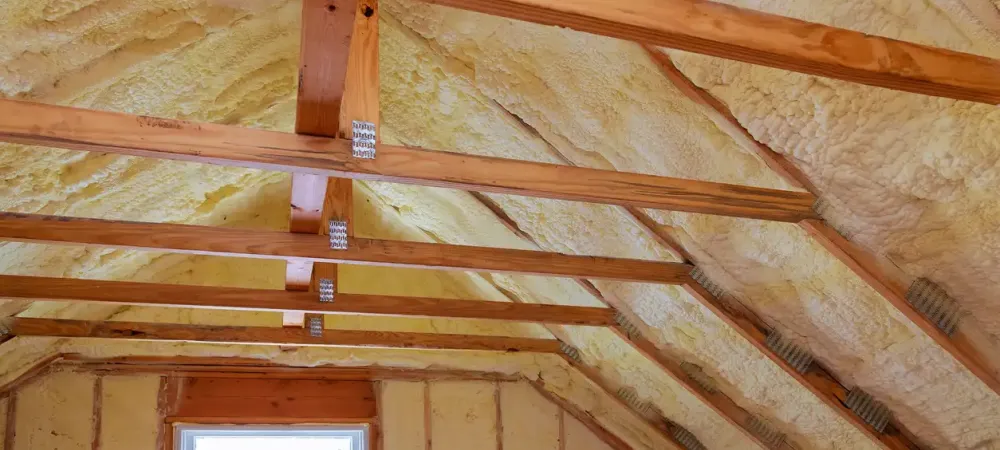
| Spray foam insulation | Expanding foam is applied to designated surfaces or gaps. | Can provide insulation while also helping create an air barrier. |
| Pest-resistant cellulose | Blown into attic areas in a similar way to traditional loose-fill insulation. | Provides thermal insulation while also helping control certain insects. |
The choice should not be based on insulation type alone. Air leakage, existing insulation condition, ventilation, moisture, pest activity, and the location of the home's thermal boundary should all be considered before a new material is installed.
ENERGY STAR also recommends completing attic air sealing before adding insulation so gaps are not simply buried beneath new material.
Why Is Air Sealing Important in an Attic?
Air sealing closes openings that allow conditioned indoor air to move into the attic and outside air to enter the living space. Common leakage points include plumbing penetrations, wiring holes, dropped soffits, attic hatches, recessed lighting, and openings around walls or duct chases.
Insulation slows heat transfer, but it does not automatically stop air movement. Addressing larger attic air leaks before adding insulation can help the insulation perform more effectively and may improve comfort in the rooms below.
Air sealing can also help close some of the gaps pests might otherwise use, although larger rodent entry points generally require dedicated exclusion work rather than insulation alone.
How Does Moisture Affect Attic Health?
Moisture in an attic can damage insulation and may indicate a larger problem such as a roof leak, poor ventilation, or indoor air being exhausted into the attic.
ENERGY STAR recommends professional evaluation when attic insulation is wet or damp, rafters or floor joists show mold or rot, or bathroom, kitchen, or dryer vents discharge moist air directly into the attic.
Warning signs include:
- Wet or matted insulation
- Water stains
- Condensation
- Musty odors
- Mold growth
- Discolored wood
- Soft or deteriorating structural materials
Adding more insulation without addressing the moisture source can cover up the symptom without correcting the underlying problem.
What Should an Attic Inspection Look For?
A complete attic inspection should look beyond how much insulation is present. The goal is to identify conditions that could affect energy performance, pest prevention, sanitation, or the physical condition of the attic.
An inspection may evaluate:
- Insulation depth and distribution
- Areas of compressed or missing insulation
- Rodent or insect activity
- Droppings, urine contamination, and nests
- Air leaks and structural openings
- Potential pest entry points
- Moisture or water damage
- Condition of vents and accessible attic components
Hulett's insulation service includes attic inspections for pest damage, contamination, compromised insulation, and structural vulnerabilities, followed by recommendations based on what is found.
Does Old Attic Insulation Always Need to Be Removed?
No. Old insulation does not automatically need to be removed simply because of its age.
Insulation that is dry, evenly distributed, uncontaminated, and still providing adequate coverage can sometimes remain while additional insulation is installed over it. ENERGY STAR notes that existing insulation generally does not need to be removed unless it is wet, moldy, smelly, or contaminated with animal waste.
Removal becomes more important when insulation has been affected by rodents, moisture, extensive physical damage, or other conditions that cannot be corrected by simply adding more material.
When Should You Have Your Attic Inspected?
An attic inspection is worth considering when you notice changes in home comfort, unusually high energy use, pest activity, odors, or signs of moisture. It can also be useful after a rodent infestation, roof leak, or other event that may have damaged insulation.
You may want an attic evaluated if:
- You hear rodents overhead
- Insulation looks disturbed or contaminated
- Certain rooms are consistently difficult to cool
- You notice musty or urine-like odors
- Your attic has experienced a leak
- Insulation levels appear low or uneven
- You are considering adding or replacing insulation
Looking at the entire attic rather than one isolated symptom can help determine whether the appropriate next step is pest exclusion, sanitation, air sealing, insulation installation, insulation removal, or a combination of services.
A Healthy Attic Starts With Identifying the Right Problem
Attic problems are often connected. A rodent infestation can contaminate insulation, an unsealed opening can allow both air and pests into the structure, and moisture can reduce the usefulness of otherwise adequate insulation.
For South Florida homeowners, maintaining a healthy attic means looking at insulation, pest activity, sanitation, air leakage, and moisture together rather than treating each issue separately.
Hulett Environmental Services provides attic inspections along with insulation removal and sanitation, pest-resistant cellulose insulation, blown-in insulation, spray foam insulation, and air sealing for South Florida homes. If you are unsure what condition your attic is in, learn more about Hulett's insulation services and schedule an inspection to determine which services, if any, are actually needed.