
Is There Such A Thing As Non-Toxic Pest Control?
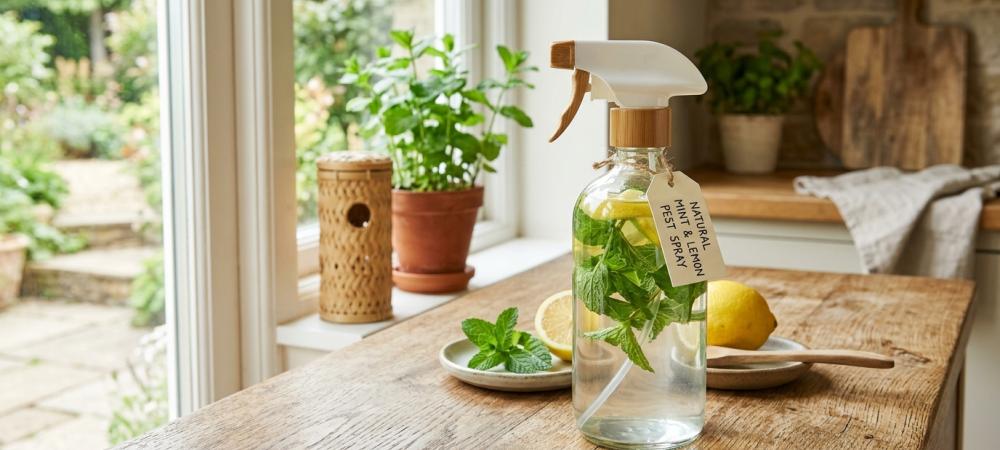
Is there such a thing as non-toxic pest control?
Yes, there are many non-toxic pest control options that use natural substances, physical barriers, biological controls, and prevention strategies instead of relying on harsh chemicals. Methods such as diatomaceous earth, essential oils, beneficial insects, traps, and exclusion techniques are often combined through Integrated Pest Management (IPM) to help reduce pest populations while focusing on long-term prevention.
What Does Non-Toxic Pest Control Mean?
Non-toxic pest control refers to methods that help manage pests using natural products, physical controls, and preventative measures rather than traditional chemical-based treatments. The goal is to reduce pest activity while minimizing reliance on harsher substances.
Many non-toxic approaches focus on addressing the conditions that attract pests in the first place. This can include reducing access to food and water sources, sealing entry points, and using natural or mechanical methods to manage pest populations.
Common non-toxic pest control techniques include:
- Diatomaceous earth
- Essential oil-based repellents
- Physical traps
- Exclusion methods
- Beneficial insects
- Habitat modification
- Heat treatments
- Vacuum removal of pests
These solutions can often be used together as part of a broader pest management strategy.
What Natural Pest Control Options Are Available?
Several natural pest control methods are commonly used to help reduce pest activity around homes and businesses.
Diatomaceous Earth
Diatomaceous earth is a naturally occurring powder made from fossilized aquatic organisms. It works mechanically by affecting the protective outer layer of certain insects, which can lead to dehydration.
Essential Oils
Essential oils such as peppermint, cedarwood, and lemongrass are frequently used as natural repellents. These products may help discourage pests such as ants, spiders, and mosquitoes from certain areas.
Soap Sprays
Simple soap-and-water mixtures can be used to help manage some soft-bodied insects. These solutions are often used in gardens and landscape settings.
Pest-Repelling Plants
Plants such as rosemary, basil, sage, and mint are often included in gardens because they may help discourage certain insects naturally.
While natural products can be useful, their effectiveness depends on the pest species, environmental conditions, and the overall pest management plan.
How Do Physical and Biological Controls Help Manage Pests?
Non-toxic pest control is not limited to natural products. Physical and biological methods can also play an important role in reducing pest populations.
Physical and Mechanical Controls
Physical pest control methods focus on removing pests or preventing them from gaining access to a structure.
Examples include:
- Sealing cracks and gaps around a building
- Installing door sweeps and screens
- Using glue boards or monitoring traps
- Vacuuming insects indoors
- Applying heat treatments where appropriate
These methods can be highly effective because they address the source of the problem rather than simply reacting to pest activity.
Biological Controls
Biological pest control uses naturally occurring organisms to help manage pest populations.
Examples include:
- Ladybugs that feed on certain garden pests
- Predatory mites
- Beneficial nematodes
- Parasitic wasps
- Naturally occurring fungi and bacteria that target specific pests
These biological controls can help maintain balance within outdoor environments while reducing the need for additional interventions.
Why Is Integrated Pest Management Important?
Integrated Pest Management, commonly called IPM, is one of the most effective approaches to non-toxic pest control. IPM combines multiple strategies to manage pests while emphasizing prevention and monitoring.
An IPM program may include:
- Identifying pest species
- Monitoring pest activity
- Eliminating favorable conditions
- Using physical and biological controls
- Applying targeted solutions only when necessary
Rather than relying on a single treatment method, IPM uses a combination of techniques that work together to create long-term pest management results.
This approach is particularly valuable in Port St. Lucie, Florida, where warm temperatures and seasonal rainfall can support pest activity throughout much of the year.
Non-Toxic Pest Control Considerations in Port St. Lucie, Florida
Homeowners and businesses in Port St. Lucie, Florida often encounter pests such as ants, roaches, mosquitoes, fleas, and other insects due to the region's climate. Because pest pressure can occur year-round, prevention is an important component of effective pest management.
Simple preventative measures can make a significant difference, including:
- Removing standing water
- Storing food properly
- Sealing entry points
- Maintaining landscaping
- Reducing excess moisture around structures
These steps help create an environment that is less attractive to pests and can support other non-toxic pest control efforts.
Across Palm Beach County & The Treasure Coast area, many property owners find that combining prevention with physical, biological, and natural pest management methods provides a practical way to address common pest concerns.
Myth: Non-Toxic Pest Control Doesn't Work
A common misconception is that non-toxic pest control is ineffective compared to traditional methods.
In reality, many non-toxic pest control strategies can be effective when properly selected and applied. The key is identifying the specific pest problem and choosing the appropriate combination of prevention, monitoring, exclusion, and control techniques. Successful pest management often depends more on the overall strategy than on any single product or treatment.
FAQ
Are non-toxic pest control methods effective?
Yes. Many non-toxic pest control methods can effectively manage pests when they are matched to the specific pest problem and used as part of a comprehensive pest management plan.
What pests can non-toxic methods help control?
Non-toxic approaches are commonly used for ants, roaches, fleas, mosquitoes, spiders, and a variety of garden pests.
What is the purpose of Integrated Pest Management?
Integrated Pest Management combines prevention, monitoring, physical controls, and other strategies to reduce pest activity while minimizing unnecessary treatment use.
Can non-toxic pest control help prevent infestations?
Yes. Many non-toxic approaches focus on preventing infestations by removing attractants, sealing entry points, and addressing conditions that support pest activity.
FAQ: https://www.bugs.com/faq#is-there-such-a-thing-as-non-toxic-pest-control
Conclusion
Non-toxic pest control is a practical option that uses natural substances, biological controls, physical barriers, and preventative measures to help manage pests without relying primarily on harsh chemicals. Methods such as diatomaceous earth, traps, beneficial insects, exclusion techniques, and Integrated Pest Management can all contribute to effective pest reduction.