
What Happens After You Find Termites in Your Florida Home?
Enter your zip and we'll take it from there.
Finding termites, or something that looks like termite evidence, can make it tempting to immediately spray the area, clean everything up, or assume the entire house needs fumigation. In reality, the first step should be figuring out exactly what you are dealing with.
The termite species, location of the activity, extent of the infestation, and construction of the home all influence what should happen next.
What Should You Do First if You Find Termites?
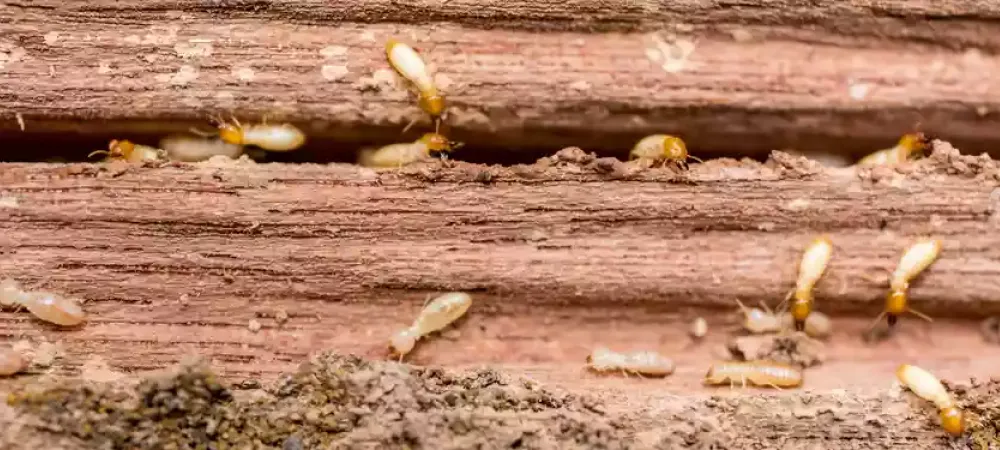
If you find termites, discarded wings, mud tubes, or termite droppings, avoid disturbing the area more than necessary and schedule a professional termite inspection.
Keeping the evidence intact can make identification easier. If possible, take photos of what you found and note exactly where the activity appeared. You should also avoid applying store-bought sprays before the inspection because killing the termites you can see does not necessarily address the colony producing them.
Common signs worth having inspected include:
- Small piles of pellet-like termite droppings, also called frass
- Mud tubes along walls, foundations, or other surfaces
- Discarded wings near windows or doors
- Damaged or hollow-sounding wood
- Live winged termites indoors
- Small holes in wooden materials
A professional inspection can confirm whether termites are actually responsible and determine what type is present.
Why Does the Type of Termite Matter?
Termite identification matters because drywood and subterranean termites live differently and require different treatment strategies.
Drywood termites establish colonies directly inside wood and do not need contact with the soil. Subterranean termites typically live in colonies underground and travel between the soil and the structure to feed.
That difference changes how treatment works. Hulett offers structural fumigation and localized no-tent treatments for drywood termites, while subterranean termites may be treated using soil-applied liquid treatments or perimeter baiting systems.
This is one reason a treatment recommendation should come after inspection rather than before it.
Does Finding Termites Mean You Have to Tent Your House?
No. Finding termites does not automatically mean your house needs to be tented.
Fumigation is primarily used for drywood termite infestations that are widespread or located in areas that cannot be effectively reached with localized treatment. When drywood termite activity is limited and accessible, a no-tent treatment may be an option.
Hulett's no-tent treatments apply liquid, foam, or dust directly into termite galleries and affected areas. Structural fumigation, on the other hand, treats the entire enclosed structure and may be recommended when drywood termite colonies are distributed throughout the home or cannot be reliably reached individually.
Subterranean termites are different. Because their colonies are associated with the soil, tent fumigation does not target the source of the infestation. These termites generally require soil treatment or a termite baiting system instead.
How Is the Right Termite Treatment Chosen?
The right termite treatment depends on more than simply confirming that termites are present. An inspector will look at the species, location of activity, accessibility of the infestation, and how extensively termites appear to have spread.
Depending on those findings, treatment may include:
- No-tent drywood termite treatment: Typically used when affected areas can be located and directly treated
- Structural fumigation: May be recommended for widespread or difficult-to-access drywood termite activity
- Liquid subterranean termite treatment: Applied to the soil around the structure to create a treated zone
- Termite baiting: Stations placed around the property allow foraging subterranean termites to carry the treatment back to the colony
There is not one treatment that is automatically best for every Florida home. The inspection determines which approach matches the infestation.
What Happens to Termite-Damaged Wood?
Termite treatment eliminates or controls the infestation, but it does not repair wood that has already been damaged.
Whether damaged material needs to be replaced depends on how extensive the damage is and whether it affects the strength of the structure. Cosmetic damage may require relatively minor repairs, while suspected structural damage should be evaluated by an appropriately qualified building professional.
Treatment and repair are therefore two separate steps. The termite problem should be addressed so additional feeding stops, while damaged building materials can then be evaluated based on their condition.
How Do You Know if the Termites Are Gone?
The way termite activity is monitored after treatment depends on the species and treatment method used. Follow-up inspections, monitoring stations, or ongoing termite protection may be used to watch for new activity.
For subterranean termites, bait stations can remain around the property as part of continued monitoring and protection. Homes treated for drywood termites may also require future inspections because treatment addresses the current infestation but cannot prevent termites from ever reaching the property again.
Signs such as new frass, fresh mud tubes, or additional swarmers after treatment should be reported to the pest control provider rather than assumed to be normal.
Can Termites Come Back After Treatment?
Yes. Termites can infest a property again after successful treatment because South Florida continues to have active termite populations around homes.
That does not necessarily mean the original treatment failed. A new colony can eventually reach the structure, particularly if conducive conditions remain around the property.
Ongoing termite protection may include:
- Periodic inspections
- Monitoring for new activity
- Maintaining termite bait stations
- Addressing moisture or wood-to-soil contact
- Keeping landscaping and wood debris away from the structure
- Maintaining an active termite warranty when available
Regular monitoring can help identify new termite activity before it becomes a larger infestation.
What Should You Do After Finding Termites in Your Florida Home?
Finding termites does not tell you how extensive the problem is or which treatment your home needs. The most useful next step is an inspection that identifies the termite species and determines where the activity is occurring.
Once that information is known, treatment can be matched to the actual infestation rather than assuming every termite problem requires fumigation.
Hulett Environmental Services provides inspections and treatment for both drywood and subterranean termites throughout South Florida, including no-tent treatments, structural fumigation, liquid treatments, and termite baiting. Learn more about our termite control services or schedule an inspection if you have found signs of termites in your home.