
What Happens During The First Professional Pest Control Visit?
What happens during the first professional pest control visit?
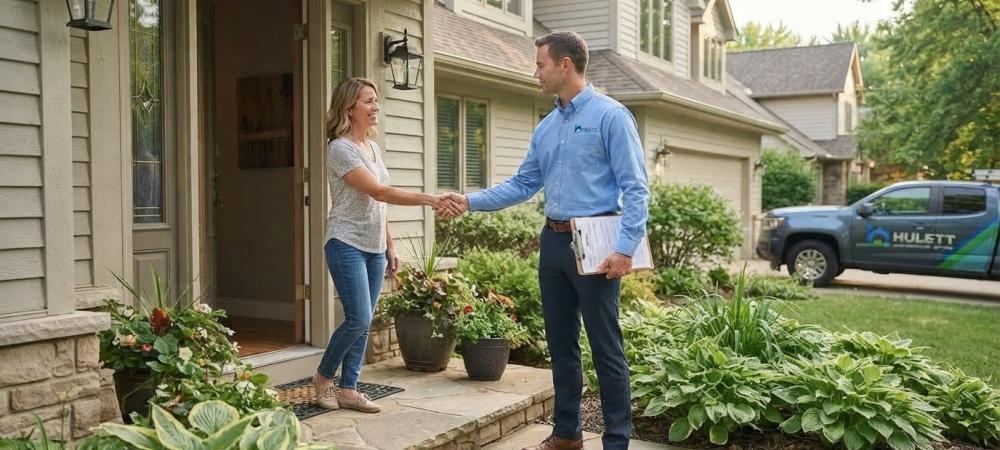
During the first professional pest control visit, a technician inspects the property, treats areas with active pest activity, and recommends a prevention plan. At a home in Palm Beach County or the Treasure Coast area, the technician may check indoor problem areas and exterior entry points, then explain the findings, treatment, and any recommended follow-up visits.
What Does the Technician Inspect During the First Visit?
The visit typically begins with an inspection. Before choosing where to treat, the technician needs to understand which pests are present, where activity is occurring, and how they may be entering the property.
Inside, the technician may examine areas where the homeowner has noticed pests, as well as places that could offer food, water, or shelter. Kitchens, bathrooms, laundry areas, and other spaces may be relevant depending on the reported problem. Signs such as droppings, damaged materials, or visible insects can help guide the inspection.
Outside, the technician may look along the foundation and around doors, windows, vents, and utility openings. Gaps or damaged screens can provide possible entry points. Conditions around the property, such as standing water or vegetation touching the building, may also be discussed if they relate to the pest activity.
The inspection connects what the homeowner has observed with what is happening across the property. Finding a pest in one room does not necessarily mean that room is where the problem began.
What Treatment Happens on the First Visit?
After inspecting the property, the technician may treat areas with active pest activity. The treatment depends on the pests identified, the extent of the activity, and the conditions found during the inspection. A first visit does not follow the same treatment pattern at every home.
For example, a problem concentrated near a particular entry point may call for a different approach from activity found in several indoor areas. The technician may address specific indoor locations, exterior areas, or both, based on the inspection findings. Some issues may also need further monitoring or follow-up treatment.
A common misconception is that the first visit consists only of applying a treatment around the house. The inspection helps the technician determine where treatment is needed. They should be able to explain which areas were treated and why those areas were selected.
How Is a Prevention Plan Developed?
The first visit also helps establish what may be needed after the initial treatment. A technician can explain the pests identified, where signs of activity were found, and which property conditions may allow pests to return.
Recommendations may address entry points or conditions that attract pests. For instance, an opening around a utility line may be relevant if pests appear to be entering through it. Standing water may also matter for certain pest concerns. These observations give the homeowner a clearer understanding of the problem without assuming that every possible risk is present.
For a home in Palm Beach County or the Treasure Coast area, the prevention plan should reflect the findings at that specific property. The technician may recommend a follow-up visit to check activity, continue treatment, or reassess areas of concern. The need for follow-up depends on the pest problem and the recommended service plan.
Does the First Treatment Finish the Job?
The initial visit can address active areas, but some pest problems require further monitoring or treatment. What happens next depends on the pest, the level of activity, and the conditions around the property. The technician can use a follow-up visit to assess whether activity continues and whether the treatment plan needs to change.
That is why the explanation at the end of the first appointment matters. The homeowner should understand what the technician found, what was treated, and whether another visit is recommended. The first appointment provides both an initial response to the pest activity and a basis for managing it over time.
FAQ
Will the technician inspect both inside and outside my home?
The technician may inspect both, depending on the reported problem. Indoor activity and exterior entry points can each provide useful information about where pests are coming from.
Will every room be treated during the first visit?
Not necessarily. Treatment is guided by the inspection findings. The technician can explain which areas need attention and why.
Should I tell the technician where I have seen pests?
Yes. Sharing where and when you noticed activity helps the technician focus the inspection and compare your observations with signs found elsewhere on the property.
Will I know whether another visit is needed?
The technician should explain the findings and any recommended follow-up before leaving. Additional visits may be advised to monitor activity or continue treatment.
What happens during the first professional pest control visit?
During the first visit, a pest control technician inspects the property, treats areas with active pest activity, and recommends a prevention plan. At a home in Palm Beach County or the Treasure Coast area, the technician may check indoor problem areas and exterior entry points, then explain the findings, treatment, and any recommended follow-up visits.
Conclusion
A first professional pest control visit generally includes an inspection, treatment of active problem areas, and a discussion of prevention and follow-up. The findings at your property determine what the technician recommends next.
If you are seeing pest activity at your home in Palm Beach County or the Treasure Coast area, Hulett Environmental Services can inspect the property, explain its findings, and recommend pest control services suited to the situation.