
What Is The Most Effective Way For Professionals To Eliminate Mosquitoes?
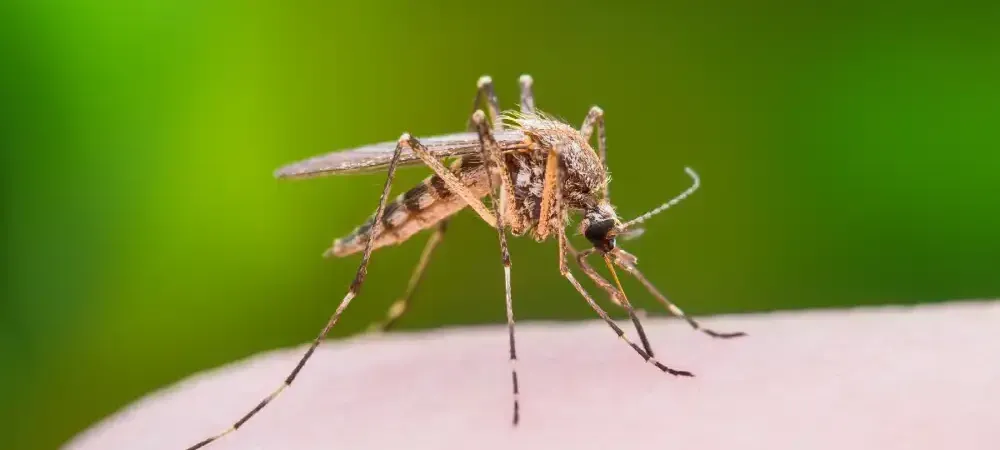
What is the most effective way for professionals to eliminate mosquitoes?
The most effective professional mosquito control method combines source reduction, larval control, and targeted barrier treatments. Across Palm Beach County and the Treasure Coast Area, pest management professionals inspect potential breeding sites, address mosquito larvae before they mature, and treat shaded vegetation and other areas where adult mosquitoes commonly rest.
How Does Integrated Mosquito Management Work?
Professional mosquito control is most effective when it addresses multiple stages of the mosquito life cycle. Treating adult mosquitoes alone may temporarily reduce visible activity, but it does not address larvae developing in standing water. Similarly, removing one water source may not resolve activity when other breeding or resting areas remain around the property.
An integrated mosquito management approach combines three primary methods:
- Source reduction: Identifying and addressing standing water and other conditions that support mosquito breeding
- Larval control: Applying an appropriate larvicide to water sources that cannot be removed or drained
- Adult mosquito control: Treating vegetation, shrubs, and other shaded resting areas with targeted barrier applications
Using these methods together allows pest management professionals to address existing adult mosquitoes while limiting the development of the next generation. The exact treatment plan depends on the property, the extent of the activity, and the conditions found during the inspection.
Why Is Standing Water a Primary Focus?
Mosquitoes require water to complete the early stages of their life cycle. Even small or easily overlooked collections of water may become breeding sites. For this reason, a professional inspection usually includes areas where rainwater, irrigation runoff, or drainage problems may leave moisture behind.
Potential breeding locations may include:
- Clogged or poorly draining gutters
- Plant trays and decorative containers
- Low points in lawns or landscaped areas
- Drainage channels that retain water
- Outdoor items that collect rainfall
- Water features or containers that cannot be emptied easily
Pest management teams evaluate these areas to determine whether water can be removed, whether drainage conditions should be addressed, or whether larval control is appropriate. When water must remain, a suitable larvicide can be applied to target larvae before they develop into flying adults.
This step is especially important throughout Palm Beach County and the Treasure Coast Area, where outdoor conditions can create multiple potential breeding locations around residential properties. A thorough inspection helps ensure that less obvious sources are not overlooked.
How Do Barrier Treatments Target Adult Mosquitoes?
Adult mosquitoes often rest during the day in shaded, protected locations. Dense shrubs, leafy plants, areas beneath decks, and vegetation near structures can provide the shelter they seek. Professionals apply residual barrier treatments selectively to these resting areas rather than treating every outdoor surface.
The goal is to place the treatment where adult mosquitoes are most likely to come into contact with it. A technician considers vegetation density, shade, moisture, airflow, and observed activity when determining which areas require attention.
Barrier treatments and larval control serve different purposes. Larvicides interrupt mosquito development in suitable water sources, while barrier applications target adults resting around the property. Combining both methods creates a more complete approach than relying on either treatment alone.
Common Misconception: One Treatment Eliminates Every Mosquito
A common misconception is that a single spray should permanently eliminate mosquito activity. Mosquitoes are mobile insects, and new adults can enter a property from surrounding areas after treatment. Rain, irrigation, plant growth, and newly collected standing water can also change property conditions over time.
Professional mosquito management therefore focuses on continued suppression rather than assuming one application will remove every mosquito indefinitely. Monitoring breeding sites, reassessing shaded resting areas, and adapting treatments to current property conditions support more consistent control.
Source reduction also remains important after adult treatments are applied. If standing water continues to support larvae, new mosquitoes may emerge and restore activity. The most effective professional strategy addresses both the mosquitoes currently present and the environmental conditions that allow populations to develop.
What Does a Professional Mosquito Inspection Include?
A professional inspection helps determine where mosquitoes may be breeding, resting, and entering frequently used outdoor areas. The technician may examine gutters, drainage low points, containers, plant trays, dense foliage, shrubs, and other shaded locations.
The inspection also helps distinguish between removable water sources and those that may require larval treatment. Based on these findings, the pest management professional can select appropriate treatment areas and avoid unnecessary applications.
Because every property has a different layout, landscape, and drainage pattern, mosquito control should reflect the conditions actually present. A property with dense vegetation may require greater attention to adult resting areas, while a property with drainage concerns may need more emphasis on source reduction and larval prevention.
FAQ
Why is larval control important for mosquito management?
Larval control targets mosquitoes before they mature into flying adults. It is particularly useful for standing-water sources that cannot be emptied, removed, or adequately drained.
Where do professionals apply mosquito barrier treatments?
Professionals typically target shaded foliage, shrubs, protected vegetation, and other areas where adult mosquitoes commonly rest during the day.
Can professional treatment prevent every mosquito from entering a property?
No. Mosquitoes can travel from surrounding areas. Professional treatment focuses on reducing breeding conditions and suppressing mosquito activity through targeted, property-specific management.
Why do mosquito breeding sites need ongoing inspection?
Rainfall, irrigation, drainage changes, and outdoor containers can create new standing-water sources. Periodic inspection helps identify changing conditions that may support mosquito development.
What is the most effective way for professionals to eliminate mosquitoes?
The most effective professional mosquito control method combines source reduction, larval control, and targeted barrier treatments. In Fort Pierce, Florida, pest management teams inspect standing water, gutters, plant trays, and drainage areas, apply appropriate larvicides to breeding sites, and treat shaded foliage and other places where adult mosquitoes rest.
Conclusion
The most effective professional mosquito control strategy combines source reduction, larval control, and targeted treatment of adult resting areas. Addressing both mosquitoes and the property conditions that support them provides a more comprehensive approach than relying on a single treatment method.
If mosquito activity is affecting your property in Palm Beach County and the Treasure Coast Area, Hulett Environmental Services can inspect potential breeding and resting areas and recommend a professional mosquito control plan based on the conditions found.