Our Blog
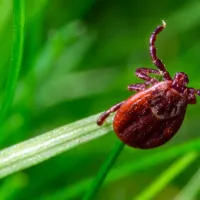
Back in the prehistoric day, a hapless tick, probably clinging to a hairy-legged, tree-climbing dinosaur met its untimely demise in the snare of a spider’s web. Wrapped in silk, as a precaution or to save as a snack, the tick’s attempt to escape resulted in yet another cruel trick of nature.
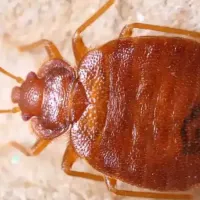
The following are common signs of bed bugs and can be symptoms of a possible infestation: • Small red to reddish brown fecal spots on mattresses, upholstery or walls • Molt bed bug skins, their white, sticky eggs or empty eggshells • Very heavily infested areas may have a characteristically
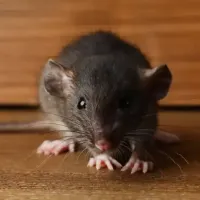
The risk of infestation doesn’t go away when the temperature falls. While high-visibility pests like flies and wasps are more common in the summer, winter pest infestations are harder to spot.

Since the beginning of households, household pests have been attracted to places where people eat, drink and stay warm. It’s simple. People + home = food, water, and shelter for bugs. Rodents have coexisted alongside humans so long that Norway rats no longer exist in the wild.
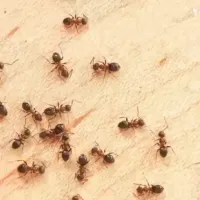
The warmer summer months bring with them South Florida summer rains and increased ant activity. You might have already seen ants marching into your South Florida home over the last several weeks.
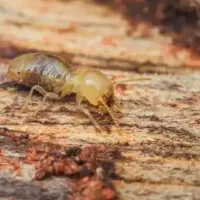
Termites cause billions of dollars in structural damage each year in the United States, and Florida remains one of the most active regions in the country. With year-round warmth and high humidity, homes throughout Palm Beach County and the Treasure Coast face constant termite pressure.
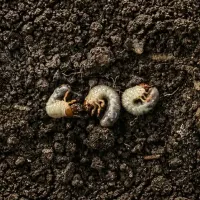
The summer rains are finally decreasing and soon the temperature will be cooling down a bit. Insect activity will not be as high as it was in summer, but problems will still arise. It is important to be sure your home is protected.
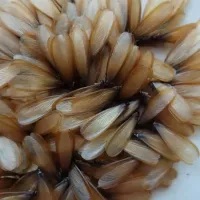
Spring is here and winter is fast becoming a memory. During the winter, you may have experienced a decrease in pest activity around your home. This is because insects become more dormant during the cooler temperatures.
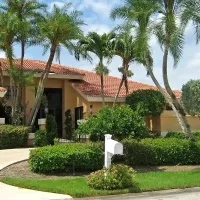
Does home insurance cover pest control? Many homeowners across the Treasure Coast and Southeast Florida assume that if pests invade their home, their homeowner’s insurance policy will help cover the cost of pest control.

Living in South Florida means that rodents, ants, and other pests don’t take the winters off. However, your lawn needs less watering and mowing during the winter months and is especially susceptible to various winter lawn diseases, such as brown patch fungus.
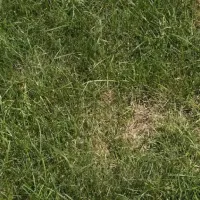
Have you been noticing brown spots in your lawn? No matter how much you water it, or even if your lawn is well shaded, are those dry-looking patches still appearing all across your turf? Well, it might not be a dryness problem at all.
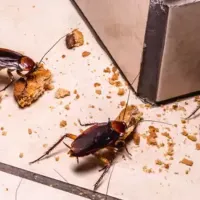
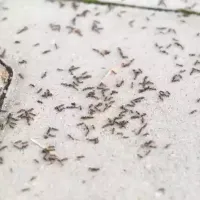
Ants are never a welcome sight in your home, but with a well-trained eye, you may be able to spot them before you have a serious problem on your hands. Ant infestations take time to get started, with scouts exploring your home before the rest of the colony moves in.
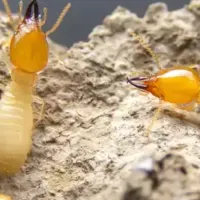
Florida’s tropical climate creates the ideal environment for termites. Warm temperatures, high humidity, and frequent rainfall allow colonies to grow larger, reproduce faster, and remain active throughout the year.
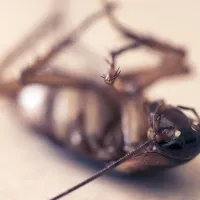
During the winter months, Florida businesses and high-rises need to remain vigilant about pest control. While many may assume that pests are less active during this time, the reality is quite the opposite.