Our Blog
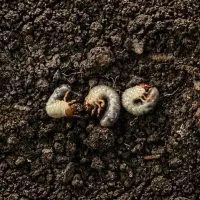
The summer rains are finally decreasing and soon the temperature will be cooling down a bit. Insect activity will not be as high as it was in summer, but problems will still arise. It is important to be sure your home is protected.
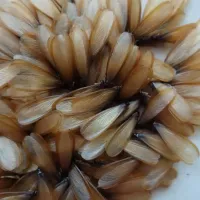
Spring is here and winter is fast becoming a memory. During the winter, you may have experienced a decrease in pest activity around your home. This is because insects become more dormant during the cooler temperatures.

Does home insurance cover pest control? Many homeowners across the Treasure Coast and Southeast Florida assume that if pests invade their home, their homeowner’s insurance policy will help cover the cost of pest control.

Living in South Florida means that rodents, ants, and other pests don’t take the winters off. However, your lawn needs less watering and mowing during the winter months and is especially susceptible to various winter lawn diseases, such as brown patch fungus.
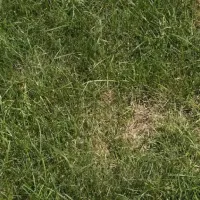
Have you been noticing brown spots in your lawn? No matter how much you water it, or even if your lawn is well shaded, are those dry-looking patches still appearing all across your turf? Well, it might not be a dryness problem at all.
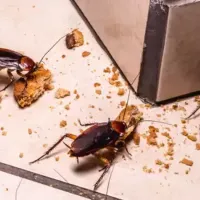
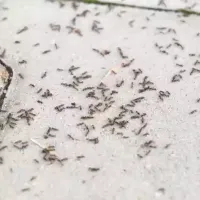
Ants are never a welcome sight in your home, but with a well-trained eye, you may be able to spot them before you have a serious problem on your hands. Ant infestations take time to get started, with scouts exploring your home before the rest of the colony moves in.
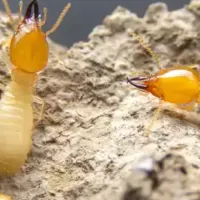
Florida’s tropical climate creates the ideal environment for termites. Warm temperatures, high humidity, and frequent rainfall allow colonies to grow larger, reproduce faster, and remain active throughout the year.
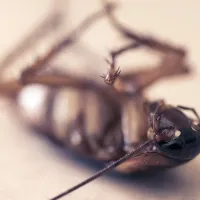
During the winter months, Florida businesses and high-rises need to remain vigilant about pest control. While many may assume that pests are less active during this time, the reality is quite the opposite.

When temperatures drop—even slightly here in South Florida—pests begin seeking warmth, food, and moisture indoors. Unfortunately, restaurants provide all three in abundance.
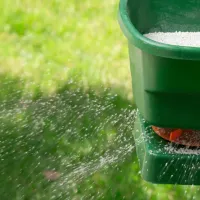
Can I fertilize my lawn every two weeks? Many homeowners assume that applying fertilizer more often will make their lawn greener and healthier. However, fertilizing too frequently can actually harm the grass instead of helping it grow.
Most South Floridians embrace the cool winter weather, if we are lucky. And just as we finish battling Chinch Bugs all summer long, now we have a new problem in our lawns: Brown Patch Fungus.
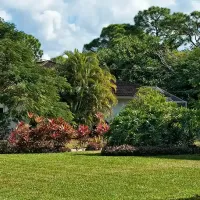
In Florida, lawn pests are relentless — but so are the myths and misinformation surrounding how to deal with them. From DIY hacks to overwatering, these common lawn pest misconceptions can cost you time, money, and a healthy lawn.

As summer comes to a close, it’s time to prepare for the back-to-school season. While you focus on getting your children ready for the new academic year, don’t forget to prioritize the safety and sanitation of your Florida home.
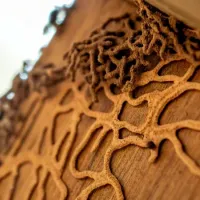
Here are a few clues that termites may be present in a home:
Mud tubes (used by termites to reach a food source) on the exterior of the home
Soft wood in the home that sounds hollow when tapped
Darkening or blistering of wood structures