

Our Blog


Why Is Fall the Best Time to Fertilize a Lawn?
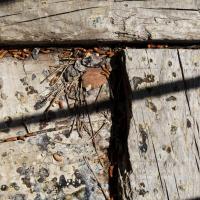
Why Are Termites Considered the Most Destructive Household Pest?


How Commercial Exterminators Choose the Right Pest Control Method

Exterminators use several types of white powders, including diatomaceous earth, boric acid, silica gel, and insecticide dusts, depending on the pest and treatment goals.

A pest control technician does more than eliminate existing pests. Like an exterminator, they are trained to reduce pest activity in homes and businesses, but they also perform ongoing preventative treatments and inspections to help reduce the risk of future infestations.

Integrated Pest Management (IPM) is one of the most environmentally friendly methods for controlling pests. It focuses on prevention, monitoring, and using the least toxic solutions first, with stronger treatments only when necessary.

Pest control technicians typically recommend spot cleaning only and keeping brooms, mops, vacuums, and dusters away from treated baseboards. Avoiding vigorous cleaning helps treatments remain effective while the pest issue is being fully resolved.
Large families have always been a favorite motif in Hollywood’s pop cultural themes, witnessed by the popularity of movies, like Cheaper by the Dozen and countless TV sitcoms, including The Brady Bunch and Eight is Enough, as well as a curr

South Florida has been experiencing chillier than usual weather this winter. As temperatures drop, rodents seek shelter indoors.
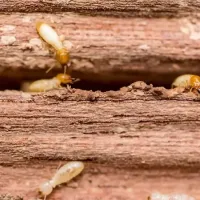
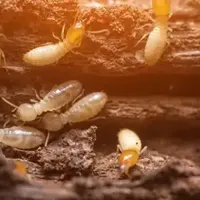
What are the warning signs of termites?
Pencil-sized diameter, or larger, mud tubes running across bare concrete or masonry between the soil and any wooden part of your building, inside or outside.
Thin, small, papery wings, all the same size and shape, 3/8″; to 1/2 ” long, on your windowsill, counter top or floor (especially if it is late spring and there has been a recent rain).
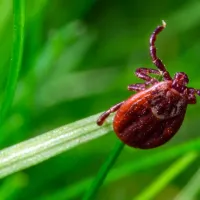
Back in the prehistoric day, a hapless tick, probably clinging to a hairy-legged, tree-climbing dinosaur met its untimely demise in the snare of a spider’s web. Wrapped in silk, as a precaution or to save as a snack, the tick’s attempt to escape resulted in yet another cruel trick of nature.
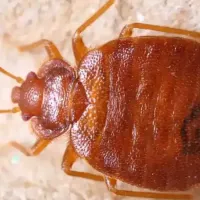
The following are common signs of bed bugs and can be symptoms of a possible infestation: • Small red to reddish brown fecal spots on mattresses, upholstery or walls • Molt bed bug skins, their white, sticky eggs or empty eggshells • Very heavily infested areas may have a characteristically

The risk of infestation doesn’t go away when the temperature falls. While high-visibility pests like flies and wasps are more common in the summer, winter pest infestations are harder to spot.