Our Blog
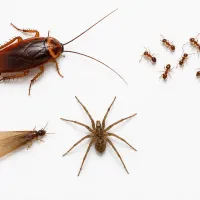
New South Florida homeowners often encounter pests they rarely saw—or never had to think about—before moving to the area. Palmetto bugs, millipedes, no-see-ums, termites, ants, and other pests are common, but knowing what you are seeing can help you decide whether it is an occasional visitor or a sign of a larger problem.
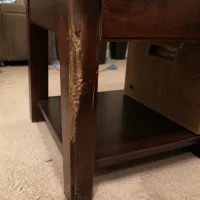
Yes, termites can live inside wooden furniture, particularly drywood termites, which can establish colonies without needing contact with soil. Infested furniture can be brought into a home without obvious signs, making inspection especially important when buying used or antique wooden pieces.
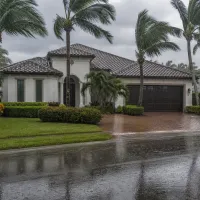
Heavy rain can drive pests out of flooded soil, nests, and outdoor hiding places and push them toward drier shelter inside homes. In South Florida, ants, cockroaches, millipedes, and other pests may become more noticeable after storms, especially when water collects around foundations, landscaping, and entry points.
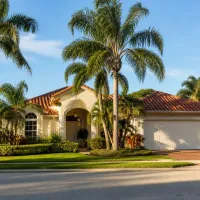
Leaving Florida for the summer takes more preparation than simply locking the doors and turning off the lights. A vacant home can sit through months of heat, humidity, heavy rain, and year-round pest activity, which makes it important to prepare the property before you go.
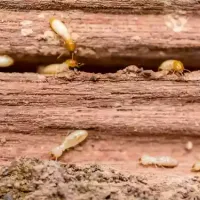
If you find termites in your Florida home, the next step is a professional inspection to confirm the termite species, determine how widespread the infestation is, and identify the right treatment. Drywood and subterranean termites require different control methods, so finding termites does not automatically mean your home needs to be tented.
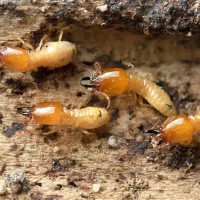
Before buying a home in Palm Beach County or the Treasure Coast, buyers should check for active pests, previous termite activity, wood damage, moisture problems, pest entry points, and any existing treatment or warranty records. A professional WDO inspection can also identify visible evidence of termites and other wood-destroying organisms before closing.
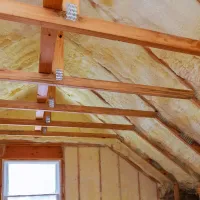
A healthy attic should have adequate insulation, limited air leakage, no active pest contamination, and no signs of excess moisture or structural damage. For South Florida homeowners, regular attic inspections can help identify problems before they affect indoor comfort, energy use, or the condition of the home.
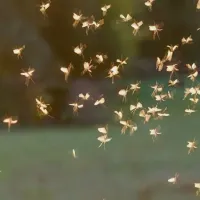
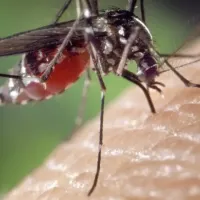
Mosquito season in South Florida does not have a clear end date because warm temperatures can support mosquito activity throughout much of the year. Activity usually peaks during the wetter months, but mosquitoes can remain active through fall and even winter when conditions stay warm and wet.
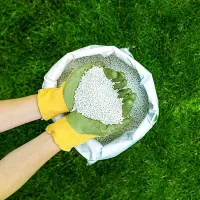
Seasonal fertilizer restrictions end September 30 in Martin, St. Lucie, Indian River, and Brevard counties, allowing qualifying fertilizer applications to resume October 1. However, the end of the summer restriction does not mean every lawn should immediately be fertilized. The right fall lawn care depends on turf condition, nutrient needs, rainfall, and local fertilizer rules.
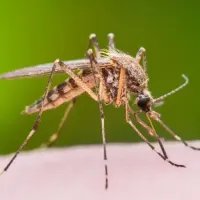
How Does Integrated Mosquito Management Work?

What Determines How Often a Lawn Needs Bug Treatment?
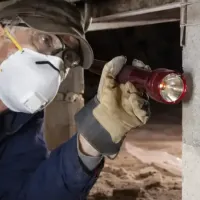
What attracts termites to a house? Understanding what draws termites to your property is the first step in preventing an infestation and protecting your home from costly structural damage.