
Can I Fertilize My Lawn Every Two Weeks?
Enter your zip and we'll take it from there.
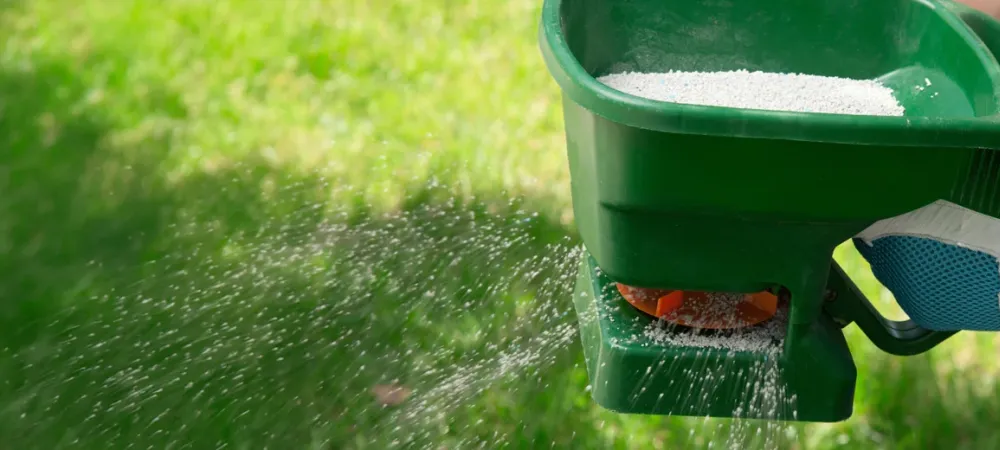
Can I fertilize my lawn every two weeks? If you want a greener lawn, it might seem logical to fertilize it more often. Many homeowners in the Treasure Coast area and Southeast Florida ask if applying fertilizer every two weeks will help their grass grow thicker and healthier. While it sounds like a good idea, fertilizing your lawn that frequently can actually cause more harm than good.
Fertilizer is designed to give your lawn the nutrients it needs to grow, but too much of it can overwhelm the grass. Overfertilizing can lead to burned turf, weak root systems, and excessive top growth that makes your yard harder to maintain. Understanding the proper fertilization schedule is the key to keeping your lawn healthy year round.
Why Fertilizing Too Often Can Damage Your Lawn
Applying fertilizer every two weeks may seem like you are giving your lawn extra nutrients, but grass can only absorb so much at one time. When too much fertilizer is applied, especially nitrogen-heavy products, it can cause several problems.
Fertilizer Burn
One of the most common issues caused by overfertilizing is fertilizer burn. When too much nitrogen is applied, it can draw moisture out of the grass blades and roots. This often leaves your lawn with yellow, brown, or patchy areas that look dry or scorched.
In the warm climate of Southeast Florida, where lawns are already exposed to intense sunlight and heat, fertilizer burn can happen quickly.
Weak Root Systems
Too much fertilizer encourages rapid growth above the surface but weakens the roots below the soil. While the lawn may appear greener for a short time, the shallow root system makes the grass less resilient.
Weak roots mean your lawn will struggle during drought conditions, heavy rain, or pest pressure. Healthy grass needs strong roots to absorb water and nutrients properly.
Excessive Mowing
When fertilizer is applied too often, grass grows faster than normal. While this may initially make the lawn look lush, it also means homeowners must mow much more frequently.
Fast top growth can stress the grass, especially when the lawn is cut repeatedly. Over time, this can thin the turf and make it easier for weeds to take over.
The Ideal Lawn Fertilization Schedule
For most lawns in the Treasure Coast area and Southeast Florida, fertilizing every 6 to 8 weeks is typically the best schedule. This timeline gives the grass enough nutrients without overwhelming the soil or the root system.
A balanced fertilization program allows nutrients to slowly absorb into the soil and support steady, healthy growth.
Several factors influence the exact schedule, including:
Grass Type
Different grass varieties require different nutrient levels. Common Florida grasses such as St. Augustine, Bahia, and Zoysia all respond differently to fertilizer applications.
A professional lawn care provider can determine the right schedule based on the specific grass type in your yard.
Soil Conditions
Soil quality plays a major role in how often fertilization is needed. Some soils naturally contain more nutrients, while others may require additional support.
Testing the soil helps determine what nutrients are missing and prevents unnecessary fertilizer applications.
Seasonal Changes
Florida lawns grow differently depending on the season. During the warmer months, grass grows more actively and may require additional nutrients. During cooler periods, fertilization is usually reduced.
A seasonal fertilization plan ensures the lawn receives nutrients when it needs them most.
Signs Your Lawn May Be Overfertilized
If fertilizer has been applied too frequently, your lawn may begin to show warning signs. Recognizing these symptoms early can help prevent long term damage.
Common signs of overfertilization include:
- Yellow or brown patches on the grass
- Rapid top growth with thin roots
- Burned or dried grass blades
- Increased weed growth
- Soil crusting or fertilizer buildup
If these signs appear, it may be time to adjust your fertilization schedule and allow the soil to recover.
Why Professional Lawn Fertilization Works Better
Many homeowners attempt DIY lawn fertilization, but it is easy to apply too much product or choose the wrong type of fertilizer. Professional lawn care services use carefully measured applications based on soil conditions, grass type, and seasonal growth patterns.
At Hullett Environmental Services, our lawn care programs are designed specifically for the unique conditions found throughout the Treasure Coast and Southeast Florida. We evaluate your lawn, identify nutrient needs, and apply the right treatments at the right time.
This approach promotes steady growth, stronger roots, and a lawn that stays healthier throughout the year.
The Benefits of a Proper Fertilization Plan
When your lawn receives the correct amount of fertilizer on the right schedule, the results are noticeable.
A balanced fertilization program can help:
- Improve grass color and thickness
- Strengthen root systems
- Reduce weed invasions
- Improve drought resistance
- Support long term lawn health
Instead of stressing the grass with constant applications, a properly timed fertilization plan allows the lawn to grow naturally and stay resilient.
Keep Your Lawn Healthy Year Round
While fertilizing every two weeks might sound like a way to boost lawn growth, it usually does more harm than good. Most lawns thrive when fertilizer is applied every 6 to 8 weeks based on the grass type, soil conditions, and time of year.
Homeowners across the Treasure Coast area and Southeast Florida see the best results when lawn care is handled by experienced professionals who understand the region’s soil and climate.
If you want a greener, healthier lawn without the risk of overfertilizing, Hullett Environmental Services can help.
Read the FAQ: Can I Fertilize My Lawn Every Two Weeks?
Watch our video :