
Protecting Incoming Shipments From Hitchhiking Pests During Winter Deliveries
Enter your zip and we'll take it from there.
While winters in sunny South Florida are typically short and mild, even small drops in temperature can significantly change pest behavior. When outdoor conditions become less comfortable, insects and rodents begin searching for warmth, food, and shelter indoors. For homes and businesses alike, this often leads to an uptick in pest activity—especially through one commonly overlooked pathway: incoming shipments and deliveries.
Boxes, pallets, and freight can unintentionally provide pests with warmth and protection during transit, allowing them to “hitchhike” their way directly into facilities.
Why Winter Deliveries Increase Pest Risks
During cooler months, pests that normally remain outdoors become more active around buildings. This is especially true for rats, mice, and other rodents, which are highly motivated to find warm indoor environments. Insects follow closely behind.
In South Florida, businesses often see an increase in so-called occasional invaders during winter, including cockroaches, earwigs, crickets, sow bugs, pill bugs, and similar pests. While these insects may not normally live indoors, winter conditions push them inside in search of shelter—sometimes inside shipping materials themselves.
How Hitchhiking Pests Travel Inside Boxes, Pallets, and Freight
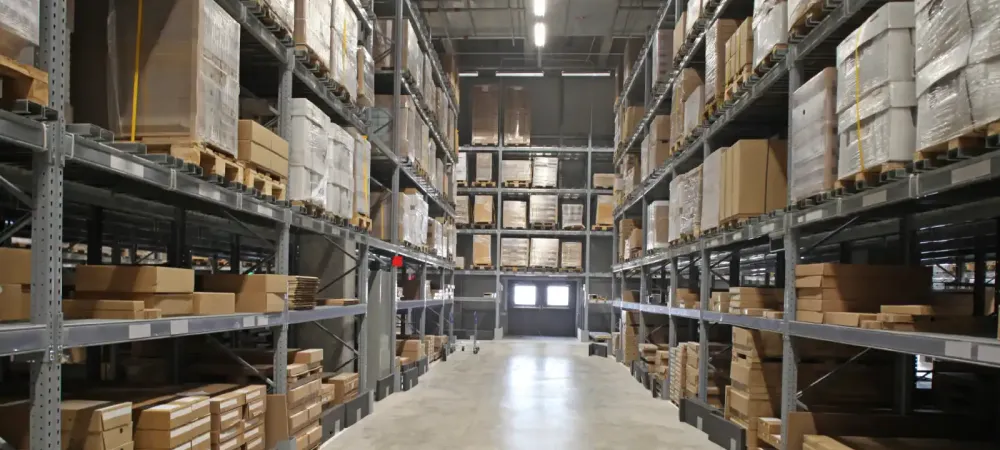
Cardboard boxes, wooden pallets, shrink wrap, and freight containers all offer dark, insulated spaces that pests can exploit. Insects may hide in corrugated cardboard, while rodents can nest within stacked pallets or packaging materials.
This risk applies not only to large warehouses and food facilities, but also to retail stores, offices, and any business regularly sending or receiving packages. Even online shopping deliveries can introduce pests into homes or workplaces if packaging is not inspected carefully.
Inspecting Packaging for Early Signs of Pest Activity
Incoming shipments should be visually inspected before they move deeper into the facility. Signs of pest activity may include:
- Chewed cardboard or plastic
- Droppings or debris inside boxes
- Live or dead insects
- Webbing, egg cases, or nesting materials
Catching these signs early helps prevent pests from spreading into storage rooms, offices, or customer-facing areas.
Best Practices for Staging and Isolating Incoming Shipments
Whenever possible, deliveries should be staged in designated receiving areas rather than moved directly into storage or production spaces. Keeping shipments elevated off the floor and away from walls allows for easier inspection and reduces harborage opportunities.
If pest activity is suspected, isolating the shipment until it can be evaluated helps prevent a small issue from becoming a larger infestation.
Loading Docks and Receiving Areas as Common Entry Points
Loading docks and shipping bays are among the most vulnerable areas of any facility. Frequent door openings, damaged door seals, and gaps around dock plates create ideal entry points for pests.
Routine maintenance, proper door management, and targeted pest monitoring in these areas are critical components of winter warehouse pest prevention.
Training Staff to Recognize Pests in Winter Deliveries
Employees who receive shipments are often the first line of defense. Training staff to recognize common winter pests and early warning signs empowers them to act quickly and report concerns before pests spread.
Clear procedures for reporting suspected pest activity help maintain consistency and accountability across teams.
Warehouse and Facility Monitoring During Cold Weather Months
Cold weather doesn’t eliminate pest activity—it shifts it indoors. Increased monitoring during winter months helps identify changes in pest pressure and emerging risks tied to deliveries and storage practices.
Monitoring programs should focus on shipping bays, storage rooms, break areas, and any space where packaging materials are handled or stored.
Partnering With a Professional for Ongoing Shipment Pest Prevention
While inspections and staff training are important, the most effective defense is a professional, preventative pest management program. Barrier treatments around homes and businesses help keep pests outside where they belong. And if insects or rodents do make their way indoors, having experts on call ensures the issue is addressed quickly—before it escalates.
There is nothing more embarrassing or damaging to a business than discovering pests inside a facility—or worse, sending them out to customers within shipped products.
Hulett Environmental Services, Inc. is a commercial pest control specialist with over 50 years of experience serving South Florida. Our programs are designed to protect shipping bays, warehouses, storage rooms, and receiving areas from hitchhiking pests, keeping your operations pest-free year-round. To protect your home and business, consult with the professionals and Just Call Hulett for a free quote today.